
Deep Tissue & Therapeutic Massage
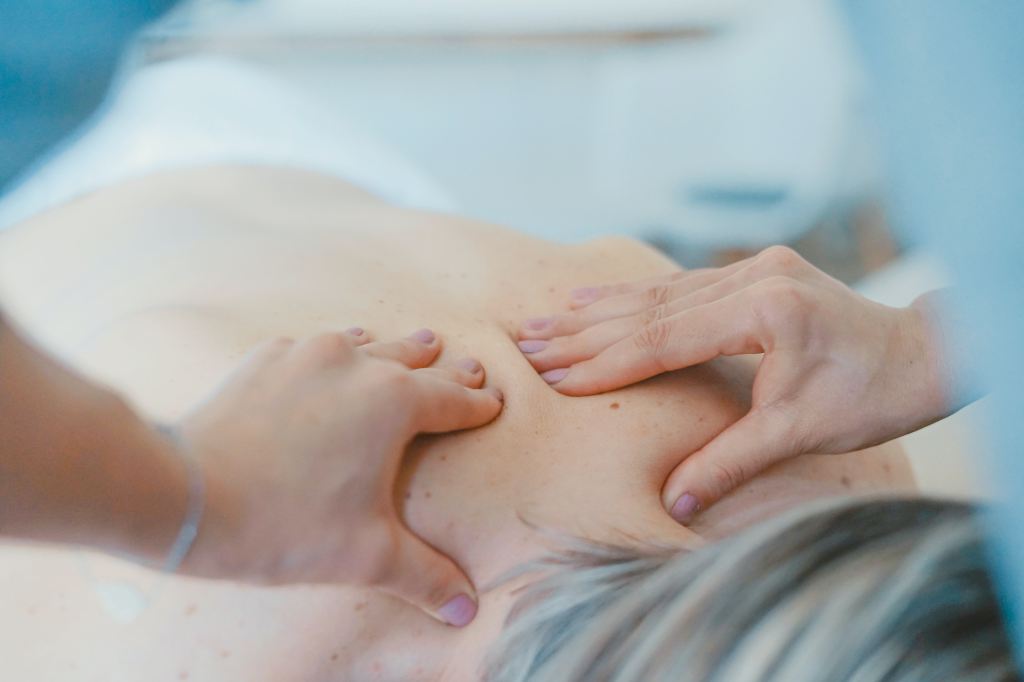
A deep tissue massage is a therapeutic massage technique that focuses on targeting the deeper layers of muscles, tendons, and fascia (connective tissue) in the body. It involves applying sustained pressure and slow strokes to release chronic muscle tension, “knots”, and adhesions, providing relief from pain and improving mobility.
During a deep tissue massage, the massage therapist may use their hands, fingers, fingertips, knuckles, elbows, forearms, elbows, heel of their foot, or even tools such as metal, bamboo, and stone to apply pressure. They may also incorporate other techniques such as stretching, joint mobilization, and myofascial release to address specific areas of tension or dysfunction.
The main goal of deep tissue massage is to break up adhesions and scar tissue, increase blood flow, increase range of motion and promote the healing of injured or strained muscles. It can be beneficial for individuals with chronic pain, repetitive strain injuries, sports injuries, and musculoskeletal imbalances.
Here are a few examples of situations where deep tissue massage might be recommended:
Chronic back pain
Deep tissue massage can target the deep muscles and connective tissue in the back, providing relief from chronic pain caused by muscle tension, spasms, or postural issues.
Sports-related injuries
Athletes often experience muscle strains, sprains, or tightness due to intense physical activity. Deep tissue massage can help in the recovery process by reducing inflammation, increasing flexibility, and restoring normal muscle function.
Postural imbalances
Prolonged periods of sitting or poor posture can lead to muscle imbalances and chronic pain. Deep tissue massage can help release tension and restore proper alignment, promoting better posture and reducing discomfort.
Fibromyalgia
People with fibromyalgia often experience widespread pain, muscle stiffness, and tender points. Deep tissue massage, when applied with the appropriate pressure and techniques, can alleviate these symptoms and improve overall well-being.
Scar tissue and adhesions
Following surgery or injury, scar tissue and adhesions can form, restricting movement and causing discomfort. Deep tissue massage can help break up these adhesions, increase circulation, and improve flexibility.
It’s important to note that deep tissue massage may cause some discomfort or soreness during and after the session, but it should not be excessively painful. Communication with the massage therapist is essential to ensure the pressure and intensity are suitable for your comfort level.
Types of Deep Tissue or Therapeutic Massage Methods
Myofascial Release
This technique aims to release tension and restrictions in the fascia, which is the connective tissue that surrounds and supports the muscles. Myofascial release involves applying gentle, sustained pressure or stretching to the fascia to help release adhesions and improve mobility.
Trigger Point Therapy
Trigger points are areas of muscle tightness and hypersensitivity that can refer pain to other areas of the body. Trigger point therapy involves applying pressure to these specific points to release the tension and alleviate pain. It can be done using the fingers, knuckles, or massage tools.
Deep Friction Massage
Friction massage involves using deep, circular motions with the fingertips, thumbs, or palms to generate heat and pressure on the targeted area. It can be helpful in breaking down adhesions, scar tissue, and knots in the deeper layers of muscles.
Cross-Fiber Friction
This technique involves applying pressure perpendicular to the muscle fibers to break up adhesions, improve circulation, and promote healing. The therapist uses their fingers, thumbs, or palms to apply transverse pressure along the muscle fibers.
Neuromuscular Therapy
Also known as trigger point therapy, neuromuscular therapy focuses on releasing trigger points and relieving pain. It involves applying pressure to specific points and using techniques like ischemic compression (using sustained pressure for 5-15 or 30-90 seconds) and stretching to relax the muscles and restore balance.
These manual techniques mentioned here can be incorporated into a deep tissue massage session or used individually, depending on the client’s needs and the therapist’s approach. I’d be remiss not to include tools that use percussion or vibration, such as massage guns, that can assist therapists in achieving their goals for their clients. More than “just regular massage with heavier pressure”, skilled massage therapists will often combine various techniques to address specific areas of tension or dysfunction in the deeper layers of muscle tissue.
Kindest regards,
Charles “CJ” Bromfield, Lmt.
Owner, Lakewood Massotherapy
References:
Mayo Clinic: Deep tissue massage – https://www.mayoclinic.org/healthy-lifestyle/stress-management/in-depth/massage/art-20045743
National Center for Complementary and Integrative Health: Massage Therapy for Health Purposes – https://www.nccih.nih.gov/health/massage-therapy-for-health-purposes
Disclaimer: The information provided in this article is intended for informational purposes only and should not be considered as a substitute for professional medical advice, diagnosis, or treatment. Always seek the advice of your physician or qualified healthcare provider with any questions you may have regarding a medical condition. Never disregard professional medical advice or delay in seeking it because of the content presented herein. Reliance on any information provided in this article is solely at your own risk. The author and publisher of this article make no representations or warranties with respect to the accuracy, applicability, fitness, or completeness of the contents of this article. They disclaim any warranties, expressed or implied, regarding any matter pertaining to health or wellbeing discussed in this article. The information provided in this article is subject to change without notice. The author and publisher do not assume any responsibility for errors or omissions or the use or misuse of any information contained herein.
 Massage Therapy Articles