
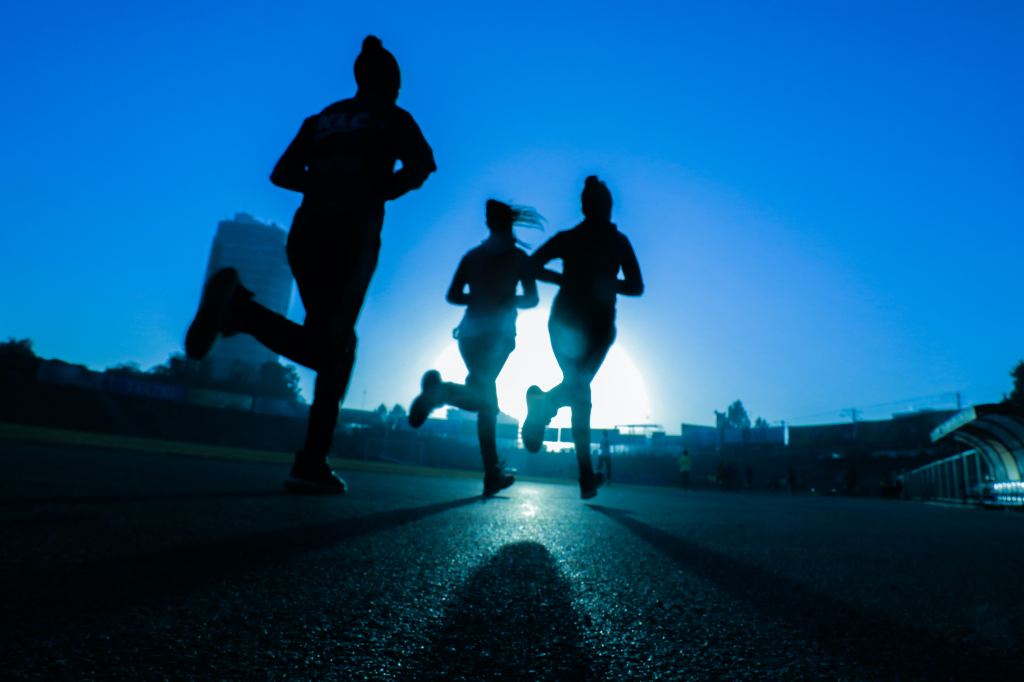
Massage and sports events offer various benefits, both for athletes and the general population. Here are some key benefits of massage and sports events, supported by relevant citations:
Enhanced Athletic Performance
Massage therapy has been shown to improve muscle flexibility and joint range of motion, leading to enhanced athletic performance. It can also reduce muscle tension and promote relaxation, aiding in injury prevention. (Source: Weerapong et al., 2005) [1] A study on runners found that post-exercise massage significantly reduced muscle soreness and improved running performance compared to a control group. (Source: Hilbert et al., 2003) [2]
Injury Prevention and Rehabilitation
Regular massage therapy can help prevent sports-related injuries by reducing muscle tension, promoting blood flow, and improving tissue flexibility. (Source: Best et al., 2008) [3] Massage is commonly used as a part of rehabilitation programs for athletes. It can aid in the recovery process by reducing inflammation, improving circulation, and enhancing tissue healing. (Source: Moraska, 2005) [4]
Stress Reduction and Psychological Benefits
Massage therapy has been found to reduce stress and anxiety levels, promoting a sense of relaxation and well-being. (Source: Field et al., 2005) [5] Athletes participating in sports events often experience high levels of stress. Massage can help alleviate stress, enhance mood, and improve overall psychological well-being. (Source: Rapaport et al., 2010) [6]
Pain Management
Massage therapy has demonstrated effectiveness in reducing pain associated with various conditions, including sports injuries. It can help alleviate muscle soreness, joint pain, and other forms of discomfort. (Source: Moraska et al., 2008) [7] In a study involving individuals with chronic lower back pain, massage therapy significantly reduced pain intensity and improved physical function compared to usual care. (Source: Cherkin et al., 2011) [8]
Kindest regards,
Charles “CJ” Bromfield, Lmt.
Owner, Lakewood Massotherapy
References:
[1] Weerapong, P., Hume, P.A., & Kolt, G.S. (2005). The mechanisms of massage and effects on performance, muscle recovery and injury prevention. Sports Medicine, 35(3), 235-256.
[2] Hilbert, J.E., Sforzo, G.A., & Swensen, T. (2003). The effects of massage on delayed onset muscle soreness. British Journal of Sports Medicine, 37(1), 72-75.
[3] Best, T.M., Hunter, R., Wilcox, A., & Haq, F. (2008). Effectiveness of sports massage for recovery of skeletal muscle from strenuous exercise. Clinical Journal of Sport Medicine, 18(5), 446-460.
[4] Moraska, A. (2005). Sports massage: A comprehensive review. Journal of Sports Medicine and Physical Fitness, 45(3), 370-380.
[5] Field, T., Ironson, G., Scafidi, F., Nawrocki, T., Goncalves, A., Burman, I., & Pickens, J. (2005). Massage therapy reduces anxiety and enhances EEG pattern of alertness and math computations. International Journal of Neuroscience, 115(10), 1397-1413.
[6] Rapaport, M.H., Schettler, P., & Bresee, C. (2010). A preliminary study of the effects of a single session of Swedish massage on hypothalamic-pituitary-adrenal and immune function in normal individuals. Journal of Alternative and Complementary Medicine, 16(10), 1079-1088.
[7] Moraska, A., Chandler, C., Edmiston-Schaetzel, A., Franklin, G., & Calenda, E.L. (2008). Comparison of a targeted and general massage protocol on strength, function, and symptoms associated with carpal tunnel syndrome: A randomized pilot study. Journal of Alternative and Complementary Medicine, 14(3), 259-267.
[8] Cherkin, D.C., Sherman, K.J., Kahn, J., Wellman, R., Cook, A.J., Johnson, E., … & Deyo, R.A. (2011). A comparison of the effects of 2 types of massage and usual care on chronic low back pain: A randomized, controlled trial. Annals of Internal Medicine, 155(1), 1-9.
Disclaimer: The information provided in this article is intended for informational purposes only and should not be considered as a substitute for professional medical advice, diagnosis, or treatment. Always seek the advice of your physician or qualified healthcare provider with any questions you may have regarding a medical condition. Never disregard professional medical advice or delay in seeking it because of the content presented herein. Reliance on any information provided in this article is solely at your own risk. The author and publisher of this article make no representations or warranties with respect to the accuracy, applicability, fitness, or completeness of the contents of this article. They disclaim any warranties, expressed or implied, regarding any matter pertaining to health or wellbeing discussed in this article. The information provided in this article is subject to change without notice. The author and publisher do not assume any responsibility for errors or omissions or the use or misuse of any information contained herein.
 Massage Therapy Articles